



ROLEX AND THE SERPENTINE PAVILION: SUPPORTING ARCHITECTURAL INNOVATION

ROLEX BECOMES OFFICIAL TIMEPIECE OF THE SERPENTINE PAVILION
As an organization dedicated to craftsmanship and excellence, Rolex has become the Official Timepiece of the Serpentine Pavilion as of 2026, reinforcing its longstanding support for the arts and architecture.
With more than a century of knowledge and expertise in watchmaking, Rolex is driven by a tradition of craftsmanship, a commitment to innovation and the pursuit of excellence and achievement.
In architecture as in watchmaking, the strength of design lies in a commitment to combining form and function. And just like great achievements in watchmaking, architectural masterpieces require meticulous attention to detail, from planning to execution, ensuring structural integrity and artistic harmony.
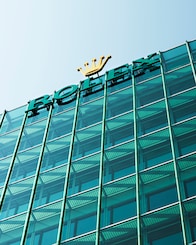
For 60 years, Rolex has commissioned architects who have made their mark on history to design the brand’s buildings in a way that reflects the aesthetics, innovation and exceptional quality intrinsic to the company. They include Michael Graves (Lititz Watch Technicum, Pennsylvania, US), Fumihiko Maki (Rolex Toyocho Building and Nakatsu, in Tokyo and Osaka respectively) and SANAA principals Kazuyo Sejima and Ryue Nishizawa (the Rolex Learning Center for EPFL in Lausanne).
Rolex champions architectural achievement at the highest level, recognizing its power to provide solutions to human and environmental challenges. As such, the brand has supported the Biennale Architettura as Exclusive Partner and Official Timepiece since 2014, recognizing its importance as the world’s foremost forum for architectural ideas and debate. Rolex is also committed to the transmission of artistic knowledge across generations, and facilitates exchanges that help perpetuate the world’s cultural heritage.
From 2002, architects became part of Rolex’s dedicated mentorship programme, which ran for 20 years, pairing gifted young talents with those at the peak of their art. Architects who participated as mentors included: Álvaro Siza, Kazuyo Sejima, Peter Zumthor, Sir David Chipperfield and Anne Lacaton. Since then, Rolex has progressed from one-to-one mentoring relationships to forge new connections that will enable the transmission of artistic knowledge on a much larger scale.
Today, the company supports an educational programme for young architects, the African Futures Institute (AFI), a pan-African, experimental platform dedicated to rethinking education, culture and practice from the African continent outward.
Since its inception in 2000, the Serpentine Pavilion has featured contributions from some of the most influential architects of the 21st century, including former Rolex mentors Olafur Eliasson, Álvaro Siza, Kazuyo Sejima and Peter Zumthor, and well as Rolex Testimonee Lina Ghotmeh.
ROLEX AND THE ARTS
Rolex is committed to achievement in the arts, recognizing the crucial role they play in our world. With a dedication to craftsmanship and excellence, the brand upholds, cultivates and celebrates artists and institutions, connecting people around the world.
Over five decades, Rolex has formed deep partnerships with artistic visionaries, based on their commitment to the highest standards of creativity and performance. The first was renowned soprano Dame Kiri Te Kanawa in 1976. Since then, the company’s role has evolved to include many other Testimonees who are talented artists as well as relationships with institutions that foster outstanding artistic achievement.
Today, this ongoing endeavour has become known as the Perpetual Arts Initiative, a global framework encompassing architecture, cinema, dance, literature, music, theatre and visual arts. Through its expanding partnerships with talented artists and leading institutions, Rolex aims to celebrate and support those at the pinnacle of their disciplines, uphold cultural legacy and cultivate rising talents who will reach new heights in the future.